Healing Isn't About Becoming Someone Else
August 25, 2026
Kristen Jackson Banister
What if healing isn't about becoming someone else? Discover why real growth is less about self-improvement and more about uncovering who you already are.
There are many pathways to a therapist's office.
Sometimes people come because they want help navigating a relationship.
Sometimes they want relief from anxiety, depression, grief, or the lingering effects of trauma.
Sometimes they're simply exhausted from carrying the weight of experiences that have never really had a chance to settle.
And sometimes, people sit down across from me convinced that something is fundamentally wrong with them.
That belief always makes me sad.
Not because there's anything wrong with wanting to grow. Growth is one of the most beautiful parts of being human.
But because so many of us have confused growth with becoming someone else.
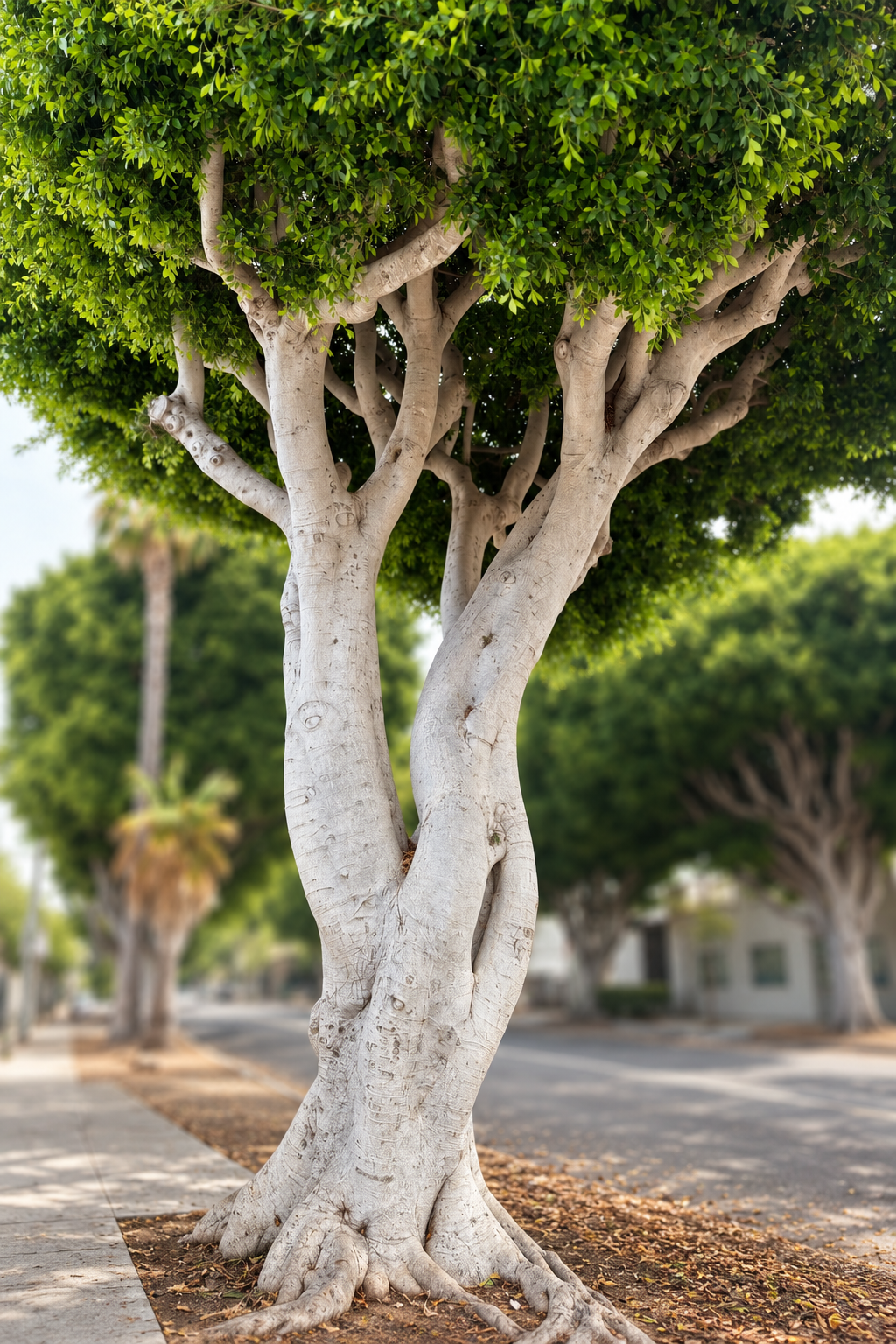
Like a tiny seed contains the possibility of becoming a magnificent tree, I believe every human being carries within them the potential for their own unfolding.
Not into someone different.
Into someone more fully themselves.
Somehow, that impulse seems woven into us. We long to grow. To understand ourselves. To become more honest, more loving, more free.
The desire to grow isn't the problem.
The problem is that we live in a world that rarely lets us define growth for ourselves.
From an early age we're surrounded by messages about who we should become.
More successful.
More attractive.
More productive.
More accomplished.
More confident.
Even more "healed."
Without realizing it, we begin to believe that if we could just become that idealized version of ourselves, then we would finally be at peace.
Finally worthy.
Finally lovable.
The longer I do this work, the less I believe healing is about becoming an ideal.
I think healing asks something much more courageous.
It asks us to become real.
That doesn't mean we stop growing.
Far from it.
It means we begin to shift the direction of our growth.
Instead of striving to become the person we think we should be, we begin uncovering the person we already are.
This is a very different kind of transformation.
Along the way, most of us develop ways of protecting ourselves.
We become perfectionists.
People pleasers.
Hyper-independent.
Always busy.
Always achieving.
Always anticipating.
Always trying to get it right.
These aren't signs that something is wrong with us.
They're signs that we adapted.
At some point, these strategies helped us survive.
For that, they deserve our respect.
Healing isn't about fighting those parts of ourselves.
Nor is it about pretending they never existed.
It's about meeting them with compassion.
Understanding what they were trying to protect.
And gradually helping them realize that they no longer have to carry quite so much.
As those protective strategies soften, something beautiful begins to emerge.
Not someone new.
Someone who has been there all along.
Underneath our fear.
Underneath our perfectionism.
Underneath our anger—whether turned inward or outward.
Underneath all the ways we've learned to protect ourselves.
There is something remarkably intact.
Not a perfect person.
A whole person.
Healing isn't the process of becoming someone you think you should be.
It's the lifelong practice of uncovering the person you already are.
And rediscovering your birthright connection to all of life.
That doesn't mean nothing changes.
In fact, everything changes.
But the change doesn't come from trying harder to become someone worthy.
It comes from discovering that beneath all the protective layers...
there is already someone deeply,
unquestionably,
worthy.
As you move through this week, I wonder if you might carry one gentle question with you.
Where might you invite just a little more ease?
Where is it already possible to soften...
to melt...
to flow...
even just a little?
Perhaps in the front of your chest.
Perhaps in letting your thoughts float by without needing to grasp them.
Perhaps in releasing the quiet, persistent effort to become someone else.
What happens if, just for a moment, you rest in the possibility that you don't have to force your becoming?
If this essay spoke to you, perhaps you'd enjoy my biweekly letters.
Together we explore healing, embodiment, relationships, and the quiet work of becoming more fully ourselves.
I'd love to welcome you.
